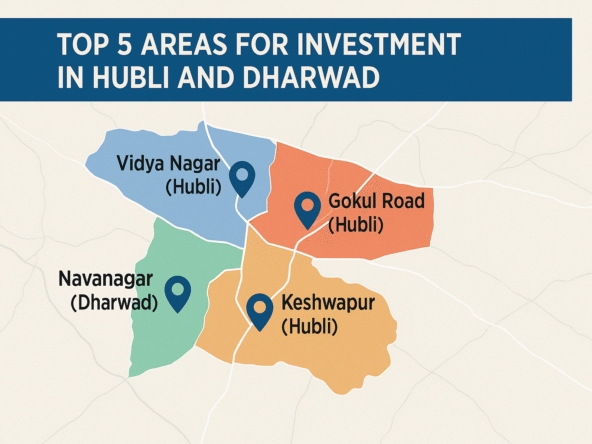
Real estate has long been considered one of the most stable and profitable investment options. From owning a home to building a rental income portfolio, property investment offers a range of financial and personal benefits. But like any investment, real estate also comes with its own set of risks and challenges.
Whether you’re a first-time homebuyer, an aspiring landlord, or an NRI exploring property investment in India, it’s crucial to understand both the advantages and drawbacks before making a decision.
✅ Pros of Real Estate Investment
1. Tangible Asset with Long-Term Value
Unlike stocks or mutual funds, real estate is a physical asset you can live in, rent out, or improve over time. It rarely depreciates drastically, and in prime locations, property value tends to grow steadily.
2. Regular Income Through Rentals
One of the biggest advantages of real estate is the potential for monthly rental income. Residential and commercial properties in growing cities can offer consistent cash flow and long-term gains.
3. Appreciation Over Time
Historically, real estate has shown strong capital appreciation, especially in metro and Tier-1 cities like Bangalore, Pune, and Mumbai. Infrastructure development, new commercial hubs, and urbanization often lead to increased property values.
4. Tax Benefits
Indian property owners can benefit from several tax deductions, including:
- Home loan interest under Section 24(b)
- Principal repayment under Section 80C
- Depreciation (for rental properties)
5. Diversification of Investment Portfolio
Real estate offers a hedge against inflation and stock market volatility. Having property in your investment mix can balance out risk in uncertain markets.
❌ Cons of Real Estate Investment
1. High Initial Capital Requirement
One of the biggest hurdles in real estate is the large upfront cost—including down payment, registration fees, taxes, and broker commissions. For many, especially in metros, affordability is a challenge.
2. Low Liquidity
Unlike stocks or mutual funds, real estate isn’t easily bought or sold. It can take weeks or even months to find a buyer, and selling under pressure often results in lower returns.
3. Legal and Regulatory Risks
Property disputes, unclear titles, and lack of proper documentation can complicate ownership. Though RERA has improved transparency, buyers still need to perform legal due diligence carefully.
4. Ongoing Maintenance and Management
Owning property isn’t just a one-time cost. Repairs, renovations, society charges, and tenant management are ongoing responsibilities, especially for rental properties.
5. Market Fluctuations and Location Risks
Not all areas appreciate in value. Poor infrastructure, political instability, or oversupply in a region can drag down returns. Market trends can also shift based on economic conditions or policy changes.
🔍 Is Real Estate Right for You?
Ask yourself:
- Do I have the funds and time to manage a property?
- Am I investing for income or long-term value?
- Do I understand the legal process in my city or state?
- Is this purchase part of a larger financial plan?
📌 Conclusion: Balance Risk with Research
Real estate can be a powerful wealth-building tool, but it isn’t without challenges. Do your homework, consult experts, and align your investment with your goals. Whether it’s your first home or a second income-generating property, the key lies in location, timing, and due diligence.
Thinking of investing in real estate?
Reach out to our team of experts to get personalized advice and property recommendations that match your financial goals.